Thai massage is done on a floor mat, in clothes and without oil, using yoga-like poses and passive stretching. With heart disease, high blood pressure, osteoporosis, diabetes, a history of cancer or pregnancy, check with a doctor first.
What is Thai massage?
Thai massage is a traditional type of massage done on a floor mat, in which the therapist guides you into passive stretches and yoga-like poses. Cleveland Clinic describes it as assisted stretching based on yoga poses, an old practice influenced by Ayurveda and Chinese medicine and carrying spiritual elements of Buddhist origin. Unlike Western massages, no oil and no kneading are used; the therapist applies pressure with their hands, elbows, forearms and feet, and moves your body.
In Turkish it is called "Tay masajı", and you may come across either name in searches. The page for the type is at Thai massage, where you can see the profiles that offer it.
How does a Thai massage session go?
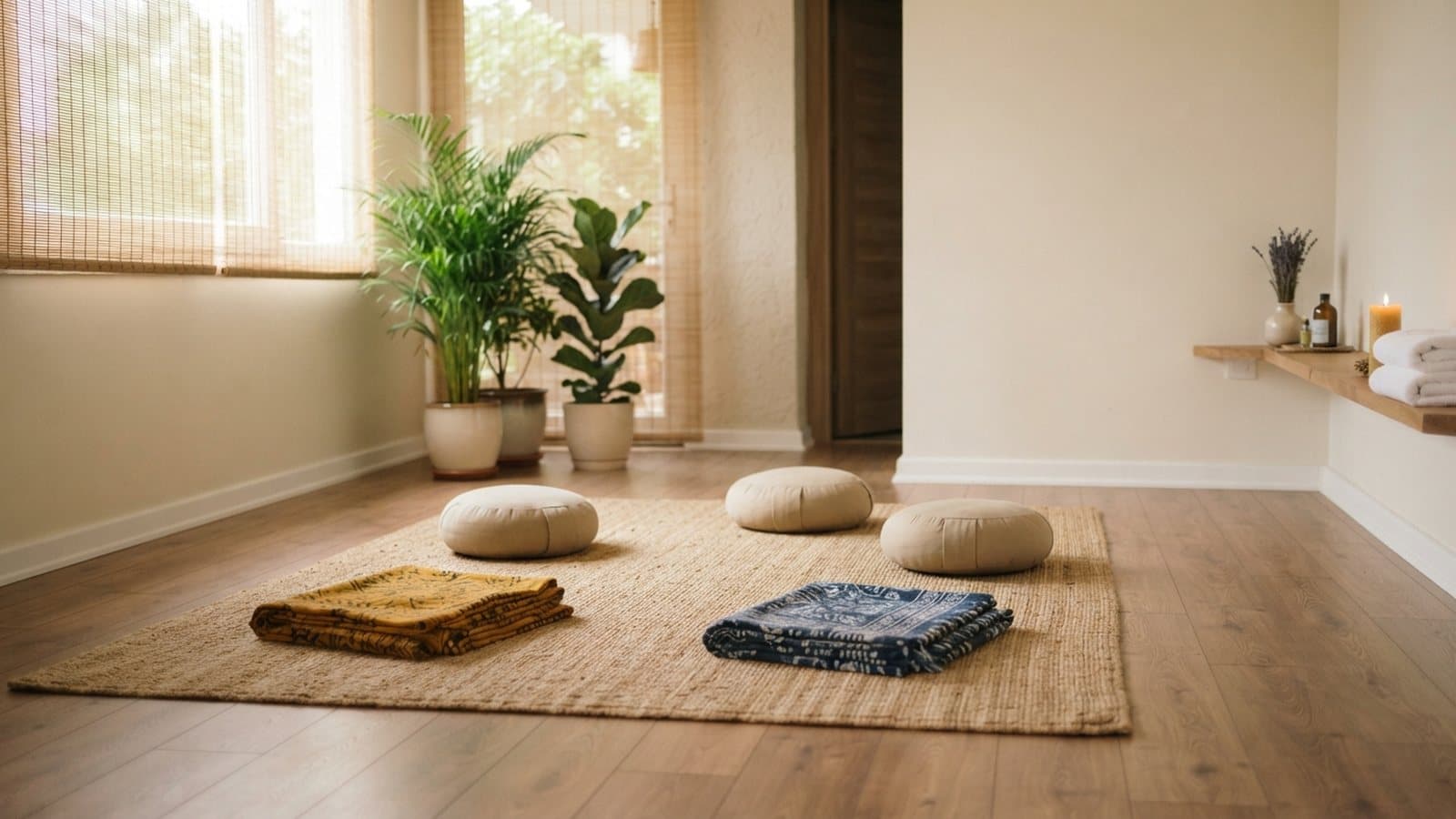
The session is done not on a table but on a mat or cushion on the floor, usually in clothes. Cleveland Clinic says loose clothing is ideal. A typical session lasts about 90 minutes. The therapist guides you into different poses, leans in, stretches and applies pressure; many people can drift off during the session because no effort is needed from them.
| Feature | Thai massage | Classic (Swedish) massage |
|---|---|---|
| Surface | Floor mat or cushion | Massage table |
| Clothing | Usually loose clothes | Under a sheet (you undress only as far as you are comfortable) |
| Oil | Not used | Usually used |
| Technique | Passive stretching and pressure | Gliding and kneading |
| Typical length | About 90 minutes | 30 to 90 minutes |
You can look at the classic (Swedish) massage article, where we describe classic massage in detail. Because Thai massage involves more movement, classic massage is usually an easier starting point for first-timers.
What are the possible benefits of Thai massage?
Thai massage may help with flexibility, range of motion and relaxation, but the evidence is limited. Cleveland Clinic says research points to Thai massage possibly increasing flexibility and range of motion, and possibly reducing stress and anxiety. It uses careful language such as "may".
NCCIH's general assessment of massage offers a similar picture: many studies are small, results mostly remain short-term and the quality of the evidence can be low or very low. Claims about Thai massage, especially in areas such as digestion, may not be supported by evidence. Keep your expectations realistic.
How do you prepare for Thai massage?
Because Thai massage is done in clothes and on the floor, preparation differs a little from classic massage. Cleveland Clinic recommends wearing loose clothing. Choose a top and bottom that you can move in and that do not squeeze your body. Avoid a heavy meal before the session, drink water and arrive early. Since the session can last about 90 minutes, make sure you do not have a rush afterwards.
Tell your therapist about your flexibility, joint problems and past injuries. Some poses can strain joints and muscles, so you should say right away when something bothers you. Do not try to force the stretches; remember that for most of the session it is enough to stay passive and breathe comfortably.
Who should not have Thai massage?
Because Thai massage involves more movement and pressure, in some situations you need to check with a doctor first. Cleveland Clinic states that people with heart disease, high blood pressure, osteoporosis, diabetes or cancer should speak to a doctor before Thai massage. The same source says Thai massage is not recommended in pregnancy.
- If you have cardiovascular disease or high blood pressure
- If you have osteoporosis, or a recent fracture or injury
- If you have diabetes, especially signs of nerve damage
- If you have a history of cancer or are in treatment
- If you are pregnant
- If you have had surgery recently, or have a fever, a skin infection or an open wound
With symptoms such as cluster headaches or pain around the eye, you should see a doctor instead of having a massage. If you are pregnant, speak to your doctor first for any type of massage.
The pace of the session and the range of the stretches vary from one therapist to another; it is enough to tell them straight away about any movement you are not comfortable with. Staying passive during Thai massage creates a sense of sleep and rest for many people. That may contribute to less stress and anxiety, but it is not a substitute for health care.
How do you choose the right therapist for Thai massage?
Because Thai massage needs a special technique, it matters that the therapist is trained in it. Cleveland Clinic says only a small share of massage therapists can perform Thai massage correctly and recommends looking for a certified therapist in this field. NCCIH also recommends asking about the therapist's training, experience and credentials.
The badges on profiles rest on the editorial team's review, not on user comments; you can read the criteria on the How We Verify page. Before the session, ask:
- What are your training and experience in Thai massage?
- Is the session done on the floor, and what should I wear?
- How long is it, and how is the price set?
- Is there anything you should take care of for my health condition?
If the pressure feels too much or a pose bothers you, say so right away. For help with length, see the article on 30, 60 and 90 minute sessions. The price is stated on each profile; we explained the factors in the price article.
What flexibility should you expect from Thai massage?
Because Thai massage includes stretching, it can be promising for flexibility, but you should not expect a big change from a single session. Cleveland Clinic's language is careful when it says research points to a possible increase in flexibility and range of motion. NCCIH's general assessment of massage also reminds us that studies are small and effects can be short-lived. It is more realistic to support flexibility with regular movement and exercise.
During the session the sense of stretching can be strong; if you feel sharp pain, ask to come out of that pose. Thai massage does not replace a yoga class or exercise, but it can be considered as a session for rest and relaxation.
What can you expect after Thai massage?
Mild muscle tenderness and a feeling of stretch afterwards are normal. Cleveland Clinic says muscle soreness after a massage usually lasts from a few hours up to a day and a half. Drink water, get up slowly after the session and avoid heavy training on the first day. If the pain is severe or lasts longer than a few days, see a health professional. For aftercare tips, see the aftercare article.
Masöz is not an intermediary; planning and payment are directly between you and the therapist. Pay in person at the time of the service.
Sources
- Thai Massage: What It Is and 5 Benefits, Cleveland Clinic (2023-05). Accessed: October 10, 2026
- Types of Massage Therapy to Try, Cleveland Clinic (2021-04). Accessed: October 10, 2026
- Why Do I Feel Sore After a Massage?, Cleveland Clinic (2024-02). Accessed: October 10, 2026
- Massage Therapy: What You Need To Know, NCCIH, U.S. National Institutes of Health (2019-05). Accessed: October 10, 2026
- Massage Therapy for Health: What the Science Says, NCCIH, U.S. National Institutes of Health (2018-12). Accessed: October 10, 2026
Frequently Asked Questions
What is Thai massage?
A traditional type of massage done on a floor mat, usually in clothes and without oil, based on passive stretching and yoga-like poses. The therapist applies pressure with their hands, elbows, forearms and feet.
How long does Thai massage last?
According to Cleveland Clinic, a typical session lasts about 90 minutes. Settle the exact length with the therapist before the appointment.
Do you take your clothes off for Thai massage?
Usually not. The session is done in loose clothing on a mat or cushion on the floor. Still, ask the therapist about the details before the appointment.
Is Thai massage okay during pregnancy?
Cleveland Clinic does not recommend Thai massage in pregnancy. Before any massage in pregnancy, speak to the health professional who follows your pregnancy.
Who should not have Thai massage?
With heart disease, high blood pressure, osteoporosis, diabetes, cancer, pregnancy, or a recent surgery or injury, you need to check with a doctor first.
Related Pages
Editorial team
Masöz editorial team
The Masöz editorial team prepares the guide articles, checks them together with their sources and keeps them up to date. The articles are for information only and are not a substitute for medical advice.
All articles by this authorThis article was translated from the Turkish original and checked by our editor.